

Boat ceramic coating is often marketed as a long-lasting solution for protecting your boat’s finish, improving shine and reducing maintenance. But is it worth the upfront cost, or can a traditional marine sealant provide similar results for less?
The answer depends on your boat’s condition, how often you use it and how much time you want to spend on maintenance. Here’s an honest look at what ceramic coating actually does, how long it lasts, and when another protective option may be the better investment.
Is Ceramic Coating Worth It?
Boat ceramic coating is worth considering if you want durable protection against UV exposure, easier cleaning and a glossy finish with less frequent reapplication. However, it costs more upfront, requires careful surface preparation and does not eliminate the need for regular maintenance. For boats that are used seasonally or stored out of the water, a quality marine sealant may offer enough protection at a lower cost.
What Is Boat Ceramic Coating?
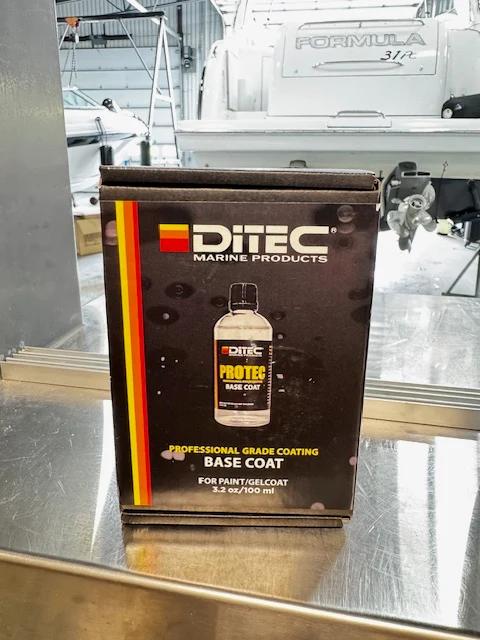
Boat ceramic coating is a liquid protective product containing ingredients like silicon dioxide (SiO₂) that chemically bonds to exterior surfaces like gelcoat and marine paint, creating a thin, durable protective layer once cured.
Unlike traditional marine waxes and sealants, which leave a protective film on the surface, ceramic coatings are designed to bond more durably with a properly prepared substrate.
Once cured, ceramic coatings provide a slick, hydrophobic surface that encourages water to bead and helps reduce the adhesion of dirt, grime and environmental contaminants. It can also help protect against UV-related deterioration and make routine washing easier.
Ceramic coatings are commonly used on fibreglass boats with gel clear coat finishes and painted hulls. However, not every product is suitable for every material, so always check the manufacturer's application guidelines.
It’s important to understand that there are some ceramic coating myths like that fact that it acts as a physical armour layer. It will not prevent all scratches, stop impact damage or restore gelcoat that is already damaged. Its primary purpose is to protect a sound surface and make it easier to maintain.
How Does Boat Ceramic Coating Work?
Ceramic coating works by forming a thin, durable layer over a properly prepared surface. Its performance depends on the formulation, the condition of the underlying finish and how well the product is applied.
The application process involves three key stages:
-
Surface preparation
Before applying a ceramic coating, the boat must be thoroughly washed and decontaminated. Existing waxes, oils and other residues need to be removed for it to adhere properly. If the gelcoat is oxidized, faded or has deep scratches, polishing may be necessary to restore the finish before coating.
Preparation is one of the most important steps because a coating will not correct any underlying defects if you have multiple layers of debris. In fact, it can make existing imperfections more noticeable by adding a hard coating of gloss to the surface.
-
Application and bonding
The coating is applied in thin, even layers according to the product instructions. Once spread and levelled, it begins to cure and bond with the prepared surface.
Application conditions matter. Temperature, humidity, direct sunlight and dust can affect the final results, so the boat should generally be coated in a clean, controlled environment.
-
Curing and protection
After application, the coating needs time to cure. Once fully cured, it creates a protective surface that repels water and helps reduce the buildup of dirt and grime.
The result is a finish that is easier to clean and maintain. However, the coating's effectiveness depends on proper aftercare, and it will gradually wear down with exposure to sunlight, water and regular use.
The Real Benefits of Ceramic Coating a Boat
Ceramic coating can provide several practical benefits, but it helps to separate what it genuinely does from what marketing claims might suggest.
-
Oxidation Defense
UV exposure, oxygen and environmental conditions gradually degrade gelcoat, causing it to lose its gloss and develop a faded or chalky appearance. Ceramic coating can help protect the finish against UV-related deterioration, depending on the product's formulation.
However, it’s not a cure for existing oxidation. If your gelcoat is already dull or chalky, the surface will need to be cleaned and polished before a coating is applied. Protecting a restored finish is more effective than coating an already damaged one.
-
Hydrophobic Protection
One of the most noticeable benefits of ceramic coating is its water-repellent effect. Water tends to bead and run off the surface rather than spread across it, meaning the coating's hydrophobic properties reduce water spotting and make rinsing easier.
This doesn’t mean the boat will remain completely clean. Salt, minerals, algae and other contaminants can still cause water spots to accumulate on ceramic coatings, particularly on boats kept in the water around the clock.
-
Easier Cleaning and Maintenance
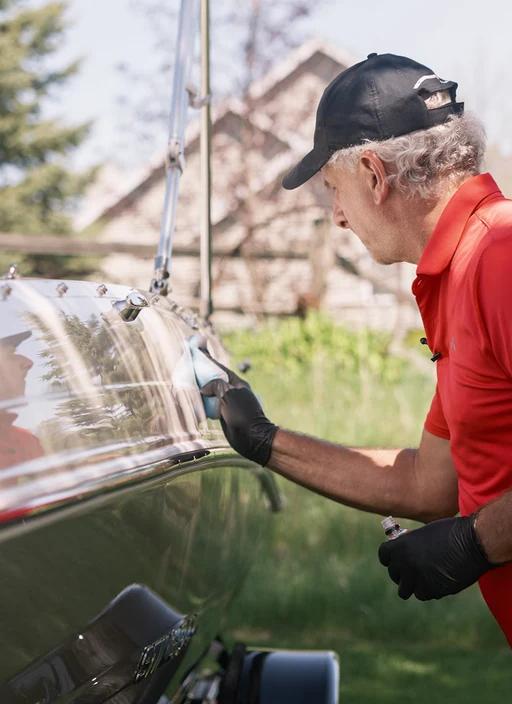
The slick surface created by ceramic coating can make it harder for dirt and grime to adhere firmly. This makes routine washing easier and contaminants may be easier to remove before they become stubborn deposits.
For boat owners who spend a good deal of time cleaning their vessels, this can be one of the biggest advantages. However, ceramic coating does not eliminate washing, and harsh cleaners or abrasive techniques can shorten its useful life.
-
Longer-Lasting Surface Protection
Compared with traditional wax, a quality ceramic coating can provide protection for longer periods without requiring frequent reapplication. This can be especially useful for boats exposed to strong sunlight or stored outdoors throughout the boating season.
The actual lifespan of the product depends on the coating, exposure conditions and maintenance routine. A boat stored in a covered facility might retain its coating longer than one kept in the water or exposed to intense sunlight year-round.
-
Improved Gloss and Appearance
Ceramic coating can enhance the depth and gloss of a boat's finish, particularly when applied after proper polishing. This can help a well-maintained gelcoat or painted hull stay looking fresh and polished.
The coating itself will not remove scratches, light swirl marks or oxidation. Those imperfections have to be corrected beforehand if you want the best results.
Downsides of Boat Ceramic Coating
Despite its benefits, ceramic coating is not the right choice for every boat. The upfront expense, preparation requirements and maintenance needs are worth considering before committing.
-
Higher Upfront Cost
Ceramic coating typically costs more than applying a traditional marine wax or sealant. Professional ceramic coating can be expensive when the boat requires extensive washing, decontamination and polishing before application.
Larger boats also require more product and labour, which can significantly increase the total cost. Although a coating might reduce the need for frequent reapplication, the initial investment may not make financial sense for every owner.
-
Extensive Surface Preparation
Ceramic coating requires a clean, properly prepared surface. If the gelcoat is faded, oxidized or scratched, polishing might be necessary before application.
Skipping this step can leave imperfections visible beneath the coating and compromise the finished result. For older boats that need substantial restoration, preparation costs can become a significant part of the overall expense.
-
It Is Not Scratch-Proof
Ceramic coating offers a thin protective layer, not a hard shell capable of resisting physical damage. It will not reliably prevent scratches from dock contact, fenders, ropes or everyday handling.
It also won’t replace protective equipment such as fenders or physical barriers. If impact protection is your main priority, paint protection film might be a more appropriate option for guarding unprotected paint against light scratches.
-
Ongoing Maintenance Is Still Necessary
A coated boat still needs regular washing, inspection and appropriate care. Salt deposits, mineral buildup, algae and waterline staining can occur even on hydrophobic surfaces.
Some coatings also require compatible cleaning products or occasional maintenance treatments to preserve their water-repellent properties. Skimping on maintenance can reduce the coating’s performance over time.
-
Results Depend on Application Quality
Incorrect application can lead to streaks, high spots, uneven gloss or poor bonding. Environmental conditions and insufficient preparation can also affect your final results.
Professional grade coatings and installation may help reduce these risks, but it adds to the cost. DIY application can be more affordable, provided you choose a product designed for marine use and follow the instructions carefully.
PPF vs Ceramic Coating: Comparison Table
Paint protection film (PPF) and ceramic coating serve different purposes. PPF is a physical film designed to absorb minor impacts and resist surface damage, while ceramic coating primarily provides chemical and environmental protection and makes cleaning easier.
|
Feature |
Ceramic Coating |
Paint Protection Film (PPF) |
|
Primary purpose |
Surface protection and easier maintenance |
Physical protection against chips, scratches and abrasion |
|
UV protection |
Can help limit UV-related deterioration, depending on formulation |
Many films include UV-resistant properties |
|
Scratch resistance |
Limited; not scratch-proof |
Better protection against minor scratches and abrasion |
|
Impact protection |
Minimal |
Better suited to minor impacts and debris |
|
Water repellency |
Typically strong |
Depends on the film and whether it has a hydrophobic topcoat |
|
Appearance |
Enhances gloss and finish |
Usually clear; available finishes depend on the product |
|
Application |
Liquid coating applied to prepared surfaces |
Film cut and fitted to selected areas |
|
Cost |
A ceramic coating package is generally lower than extensive PPF installation, but varies across ceramic coating companies |
Often higher, especially over large areas |
|
Maintenance |
Regular washing and coating-compatible care |
Regular washing and care according to film guidelines |
|
Best for |
Gloss, easier cleaning and ongoing surface protection |
High-wear areas needing a physical barrier |
For most boat owners, ceramic coating makes sense when the priority is preserving the finish and simplifying cleaning. PPF is worth considering for areas more likely to experience physical contact, like the bow, leading edges or other exposed sections.
Neither option eliminates proper maintenance, and not every automotive film or coating is suitable for marine environments. Choose products specifically approved for the intended surface and conditions.
How Long Does Boat Ceramic Coating Last?
Boat ceramic coating can last anywhere from several months to multiple years, depending on the product, application quality, environmental exposure and your maintenance routine. Inspecting to see if periodic maintenance treatments are needed should be done every every 6-12 months. Some marine coatings are designed for seasonal protection, while professional grade ceramic coating products may offer multi-year durability under good conditions.
A few factors have the biggest impact on lifespan:
-
Sun exposure: Boats stored outdoors under intense UV exposure can experience faster coating degradation than vessels kept under cover.
-
Time in the water: Constant exposure to water, salt and marine contaminants can affect the coating and increase maintenance requirements.
-
Surface preparation: A properly cleaned and polished surface helps the coating bond more effectively.
-
Cleaning products: Abrasive compounds and aggressive chemicals can reduce coating performance.
-
Routine maintenance: Regular washing every 2-3 weeks and using suitable maintenance products like a pH-neutral soap designed for ceramic coatings can help preserve water repellent effects and overall performance.
It’s also important to distinguish between a coating's advertised lifespan and realistic expectations for its real-world performance. A coating may still be present after its water-beading effect has diminished, while strong water beading alone doesn’t necessarily prove that the surface is fully protected.
Follow the manufacturer's maintenance recommendations and look for changes in water behaviour, gloss and ease of cleaning. When the coating no longer performs as expected, the surface may need decontamination, a compatible maintenance treatment or a fresh application.
Is Ceramic Coating Worth the Cost Over Time?
The value depends on how frequently you would otherwise wax or use paint sealants on the boat, the cost of professional application and how long the coating lasts under your conditions.
For a larger boat that receives regular use and requires frequent washing and exterior maintenance, reducing cleaning effort and reapplication frequency can justify the upfront expense. It can also be beneficial for helping maintain resale value or in some cases, increase it by up to 10-15%. For a smaller boat used a few weekends each summer, a marine sealant can provide sufficient protection for a fraction of the cost.
Consider the full cost of preparation, application and ongoing maintenance rather than comparing the coating price with the price of wax alone.
Choosing the Right Long Lasting Protection for Your Boat
Boat ceramic coating can be a worthwhile investment for owners who want to protect a well-maintained finish, preserve gloss and make routine cleaning easier. Its durability can offer an advantage over traditional wax, especially for boats that are used frequently or that spend long periods outdoors.
However, ceramic coating is not a miracle solution. It won’t repair oxidized gelcoat, prevent every scratch or eliminate regular maintenance. The upfront cost and preparation requirements may also outweigh the benefits for boats with limited use or covered storage.
If you want long-lasting surface protection and easier maintenance, ceramic coating is worth considering. If you’re looking for an affordable way to protect your boat for a season, a quality wax or marine sealant may be the more practical choice.
The best option is the one that fits your boat's condition, how you use it and how much time and money you want to invest in upkeep.
FAQ
Can You Apply Ceramic Coating Over Wax?
No. Ceramic coating shouldn’t be applied directly over wax because wax creates a barrier that can interfere with the coating's ability to bond to the underlying surface. For best results, wash and decontaminate the boat, remove existing wax and sealant residues, and polish the surface before applying the coating.
Always follow the coating manufacturer's preparation instructions, as requirements can vary between products.
Is Ceramic Coating Better Than Wax for Boats?
Ceramic coating generally lasts longer and offers better water repellency than traditional marine wax. Wax is less expensive, easier to apply and often sufficient for boats that receive limited use or are stored under cover. The better choice depends on your budget, maintenance preferences and exposure conditions.
What Does Ceramic Coating Protect Against, and Is Professional Application Worth It?
Ceramic coating is a liquid polymer applied to a boat’s exterior to create a protective layer that helps repel water and contaminants. One of the main ceramic coating pros is that it makes bird droppings, tree sap and bug splatter easier to remove, but it does not prevent rock chips or all surface damage. Hiring a professional detailer can help ensure proper application and durability, while avoiding improper washing techniques helps maintain the coating's performance over time.