

Weathered teak furniture can often be restored rather than replaced. In most cases, the process starts with cleaning the wood to remove dirt and weathering, followed by light sanding if the surface remains rough or stained. A teak oil, teak sealer or other protective treatment can then help restore the appearance and protect the furniture from further wear.
We'll explain how to refinish teak furniture step by step, whether you're working with an outdoor dining set, patio furniture or an indoor teak wood table or cabinet. You'll learn how to tell when old teak furniture needs more than cleaning, when sanding is necessary, how to choose between oil and sealer, and how to maintain the wood after restoration.
Getting to Know Teak Furniture Before You Start
Before restoring teak furniture, it helps to understand how the wood naturally changes over time. Teak is a dense hardwood that contains natural oils, which make it durable and resistant to moisture. Its natural colour ranges from golden to honey brown when new, but outdoor exposure to sunlight, rain and humidity gradually changes the surface to a silver-gray patina. Teak requires different refinishing than common furniture woods like oak or pine.
This gray colour does not necessarily mean the teak is damaged or needs to be replaced. In many cases, it's simply the result of weathering.
Whether you want to keep the natural gray appearance or bring the wood back closer to its original golden-brown colour will determine how much restoration is needed.
Indoor wood furniture like teak coffee tables generally experiences less weathering but can still develop scratches, stains, surface dullness and buildup over time. Teak outdoor furniture is more likely to require deeper cleaning, sanding or a protective treatment because of continued exposure to the elements or extreme weather.
Before you begin, inspect the teak wood furniture closely. Look for rough or splintered areas, deep stains, cracks, peeling finishes or other signs of damage. This will help you determine whether the piece only needs cleaning or would benefit from sanding and refinishing as part of the restoration process.
Signs Your Teak Furniture Needs Attention
-
The teak has turned gray
Gray or silver teak is a common sign of outdoor weathering. If the surface remains smooth and structurally sound, cleaning and brightening may be enough to improve its appearance.
-
The surface feels rough
Weathered teak can become dry or rough to the touch. If cleaning does not restore a smooth surface, light sanding may be necessary as part of the refinishing process.
-
Dirt and grime have built up
Outdoor teak patio furniture can accumulate dirt, pollen, food residue, mildew and other contaminants. Indoor pieces may develop dust, spills and everyday grime over time.
-
There are stains or dark areas
Water marks, food stains and other discoloration can develop on teak furniture. Outdoor teak pieces may also develop mildew or algae in damp conditions.
-
The furniture has an old or failing finish
If an existing oil, sealer or other teak protector coating has become uneven or deteriorated, it may need to be removed or properly prepared before applying a new treatment.
How to Refinish Teak Furniture, a Step by Step Guide
The restoration process depends on the condition of the furniture. A lightly weathered patio chair may require less work than a heavily weathered aged teak table or bench.
-
Step 1: Prepare the Furniture
Remove cushions, accessories and loose debris before beginning. If you're working on outdoor furniture, choose a suitable area where you can clean teak furniture and allow it to completely dry.
If the teak has an existing coating, determine what type of product was previously applied. Deteriorating or incompatible oil based finishes may need to be removed before restoration.
-
Step 2: Clean the Teak
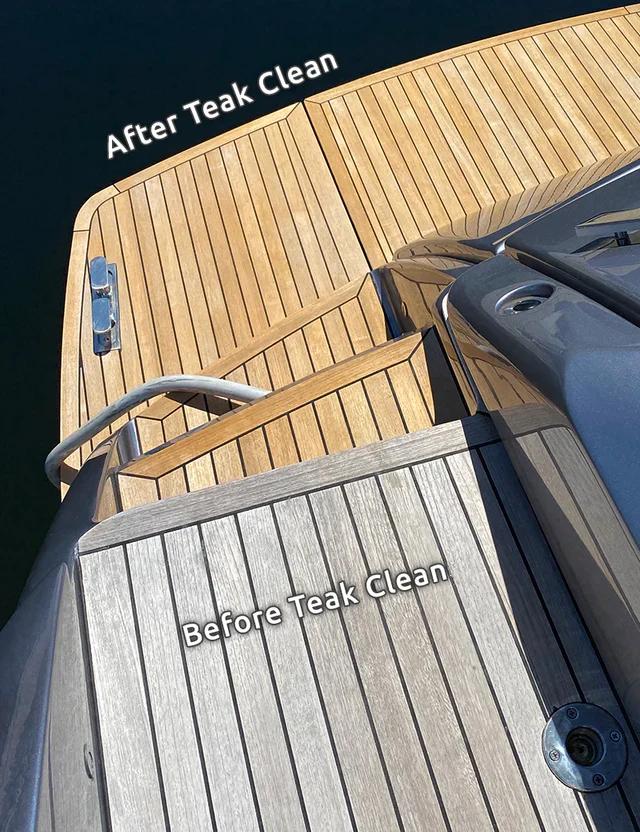
Cleaning should generally be the first restoration step. A dedicated teak cleaner can remove dirt, grime and weathered surface material without unnecessarily sanding away the wood.
For heavily weathered teak, a two-step cleaning and brightening system can help restore the wood's appearance. Preservation Marine offers products specifically formulated for teak and wood care, including cleaners and restoration products.
Follow the manufacturer's directions for dilution, application time and scrubbing. Avoid aggressive scrubbing, which can contribute to an uneven surface.
Always start with the least aggressive method first, like using mild soap and warm water with a soft cloth, soft bristle brush, or tack cloth. If that isn't sufficient, you can work your way up from there. -
Step 3: Rinse and Dry Thoroughly
Rinse the furniture thoroughly to remove loosened dirt and cleaning residue. Allow the teak to dry completely before assessing the results.
Once dry, you can determine whether cleaning has restored the appearance sufficiently or whether additional restoration is needed.
-
Step 4: Sand the Weathered Surface if Necessary
If the solid teak remains rough, stained or heavily weathered after cleaning, you can sand teak to help create a smoother, more uniform surface.
Use appropriate fine-grit sandpaper and work with the grain. The goal is to smooth the surface without removing excessive material.
Take extra care during the initial sanding process around edges, corners and detailed areas. Once finished, remove all sanding dust before applying a protective product.
-
Step 5: Brighten the Teak
A teak brightener can help restore the natural appearance of weathered teak after cleaning. Depending on the condition of the wood, it can help even out the colour and prepare the surface for protection.
This step can be particularly useful for outdoor furniture that has developed a pronounced gray wood patina.
-
Step 6: Apply a Teak Oil, Sealer or Protective Treatment
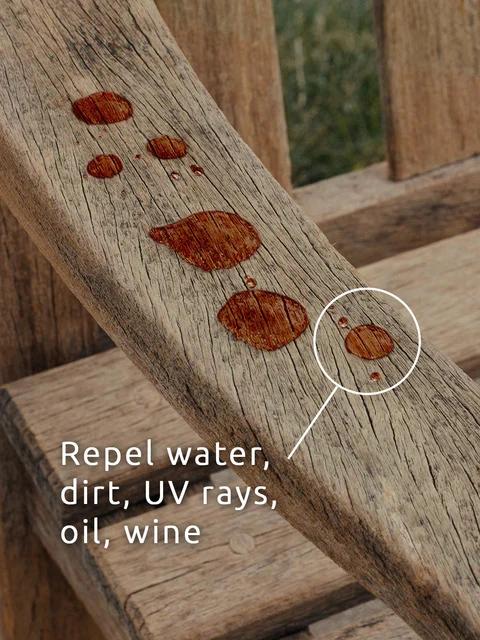
Once the teak is clean, dry and properly prepared, apply teak oil or a suitable protective treatment.
Teak oil can enhance the wood's warm appearance, but it generally requires ongoing maintenance. A teak sealer or protective coating can help protect against moisture, UV exposure and everyday contamination while helping maintain the restored appearance.
Preservation Marine's Teak & Wood Care Collection includes cleaners, restoration products and protective treatments for teak and wood surfaces.
Always follow the specific application and curing instructions for the product you choose.
-
Step 7: Allow the Product to Cure
Give the treatment sufficient time to dry and cure according to the manufacturer's instructions before using the furniture.
For outdoor furniture, this is particularly important before exposing freshly treated teak to rain or moisture.
-
Step 8: Maintain the Teak Regularly
Regular cleaning and a little maintenance can prevent dirt and other contaminants from building up and make future restoration easier.
Inspect outdoor furniture periodically for signs of weathering, staining, roughness or failing protective treatments. Indoor teak should also be cleaned regularly to prevent spills, dust and grime from dulling the surface.
Addressing minor issues early can reduce the amount of sanding and restoration required later.
Common Mistakes to Avoid When Refinishing Teak Furniture
-
Assuming gray teak needs to be sanded
Gray teak is often naturally weathered rather than damaged. Start with cleaning and a little elbow grease and evaluate the surface before you start sanding.
-
Using a pressure washer incorrectly
High-pressure water can damage teak if used too closely or aggressively. For outdoor furniture, gentle cleaning methods are generally preferable.
-
Scrubbing against the grain
Aggressive scrubbing across the wood grain with a scour pad or bristle brush can contribute to an uneven texture. Use an appropriate teak brush or scrub pad, avoiding harsh items like steel wool, and follow the grain whenever possible.
-
Removing too much wood
Over-sanding can unnecessarily reduce the surface of the furniture and damage valuable pieces. Sand only as much as needed to smooth and restore the wood. Only use tools like an orbital sander if you're familiar with the pressure needed.
-
Using household products on teak
Use products formulated for teak and wood care rather than assuming a general household cleaner from hardware stores is appropriate.
-
Applying oil or sealer over a dirty surface
Protective products should be applied to properly cleaned and prepared teak. Dirt, stains, old finishes and other contaminants can interfere with the final result.
-
Applying too much product
More oil or sealer does not necessarily provide better protection. Adding an additional coat of excess oil or product can leave the surface uneven or sticky and attract dirt. Work with thin coats, starting with a first coat and letting it set before moving onto a second coat.
-
Forgetting about maintenance
Even properly restored teak will require ongoing care, particularly when used outdoors. Regular cleaning, proper care, and periodic inspection can help maintain its appearance and condition.
Keeping Your Teak Furniture Looking Its Best
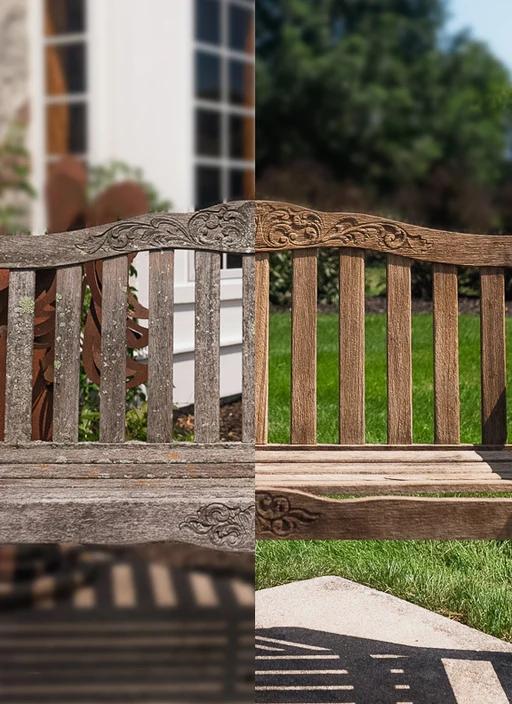
Weathered teak does not automatically mean your furniture needs to be replaced. In many cases, proper cleaning can remove accumulated dirt to breathe new life into your furniture and reveal a healthier surface underneath.
For more heavily weathered teak, light sanding and brightening can help restore the surface before applying a suitable teak oil, sealer or protective treatment.
The key is to use the least aggressive restoration method that achieves the result you need. Regular cleaning and maintenance can help keep indoor and outdoor teak furniture looking its best while reducing the need for major restoration.
For teak cleaners, restoration products and protective treatments, explore Preservation Marine's Teak & Wood Care Collection.
FAQ
Should I sand teak furniture before refinishing it, or can I just clean teak furniture and apply teak oil?
It depends on the condition of the teak. If the surface is simply gray but remains smooth and relatively clean, cleaning and applying an appropriate teak treatment may be enough. If the teak is rough, uneven, stained or heavily weathered, sanding may be necessary after cleaning.
Start with cleaning, assess the dried surface and only sand where needed.
Does refinishing affect the natural colour of teak furniture?
Yes. Cleaning, brightening, sanding and protective treatments can all affect the appearance of teak. Proper restoration can help bring weathered gray teak back toward its natural golden-brown colour.
If you want to maintain the golden appearance, choose a protective product designed for teak. Without protection, outdoor teak will naturally weather back toward a silver-gray colour as it's exposed to UV rays and moisture.
How often should teak furniture be restored?
There's no single schedule for every piece of furniture. Outdoor teak generally requires more frequent maintenance because it's exposed to sunlight and weather, while indoor furniture like a dining table may need attention less often.
Regular cleaning and inspection can help identify when the teak needs attention before the surface becomes heavily weathered.
Can you restore teak without sanding?
Yes. If the teak is primarily dirty or gray but the surface remains smooth, a dedicated teak cleaner and brightener might be enough to improve its appearance. Sanding is generally better reserved for surfaces that remain rough, stained or uneven after cleaning.
What is the best way to protect restored teak furniture?
A teak sealer or protective coating can help maintain the appearance of restored teak while providing protection from moisture, UV exposure and everyday contamination. Teak oil is another option when the goal is to enhance the wood's colour, but it's not a low maintenance solution.
The best choice depends on whether the furniture is used indoors or outdoors, the desired appearance and how much ongoing maintenance you're willing to do.